





The idea of creating an entire thing from scratch is extremely exhilarating. Every year, millions creative minds start businesses that are brand new. But, statistics show that 20 percent of all new ventures fail within the initial two years. How come this happens? In the majority of cases it is due to the foundation being weak. Making a plan of action is the best way for beating the odds. The best strategy can transform an unorganized idea into structured, step-by -step process. This helps you avoid costly mistakes, ensure funding and grow effortlessly. We'll take a look at the most effective startup business planning process for turning your dream concept into a profitable company.
Why Is Business Planning Important for Startups?
Consider a business plan like a map for your journey to entrepreneurship. If you drive without an actual map, you'll likely get lost, or even have to stop for gasoline.
The process of planning forces the user to view their business from a different perspective. It helps determine whether the idea is viable within the world of reality. The right plan will also act as an attraction for banks and investors. The people want to be sure the thought process behind every aspect before they sign over their money.
What Is the First Step in Planning a Startup?
The initial step to plan the beginning of a business is defining your main purpose and value proposition. It's a fancy method to ask: What issue do you address and why should people be interested?
Prior to spending even a penny for logos or sites, you need to identify a pain issue in the marketplace. The purpose of your business is to alleviate the pain. If there's not a problem then there's no market. That's it.
The Startup Business Planning Process Explained
A good roadmap depends upon clear, actionable stages. Let's go over the most important steps of the beginning business planning procedure for you to build a strong, sustainable firm from day one.
Phase 1: Deep-Dive Market Research
The process of business planning for new businesses is always a deep research. You must know the insides and outsides of your sandbox. The marketing research for startups includes speaking to clients, creating small surveys, as well as studying global trends within the market.
Phase 2: Analyzing Your Competition
It is not uncommon to be on the market. The competition analysis of startups will help you determine who's already working to solve this issue. Examine their weak points customers' complaints, their weaknesses, and pricing structure. Look for the areas they're not filling, then design your product to address those holes.
Phase 3: Defining Your Ideal Customer
You can't sell to everybody. Being aware of the best way to determine your ideal customer for your business will save you thousands of dollars of wasted marketing. Make a thorough outline of the ideal customer. What is their age? What are their everyday frustrations? Where are they spending their free time?
Phase 4: Choosing Your Business Model
The business model you choose to use defines what your business does to provide value and remains viable for a long the course of. Utilizing an starting business model planning guide will help you sketch out these essential elements on one page prior to creating a lengthy document.
The Top 10 Startup Business Planning Process Steps

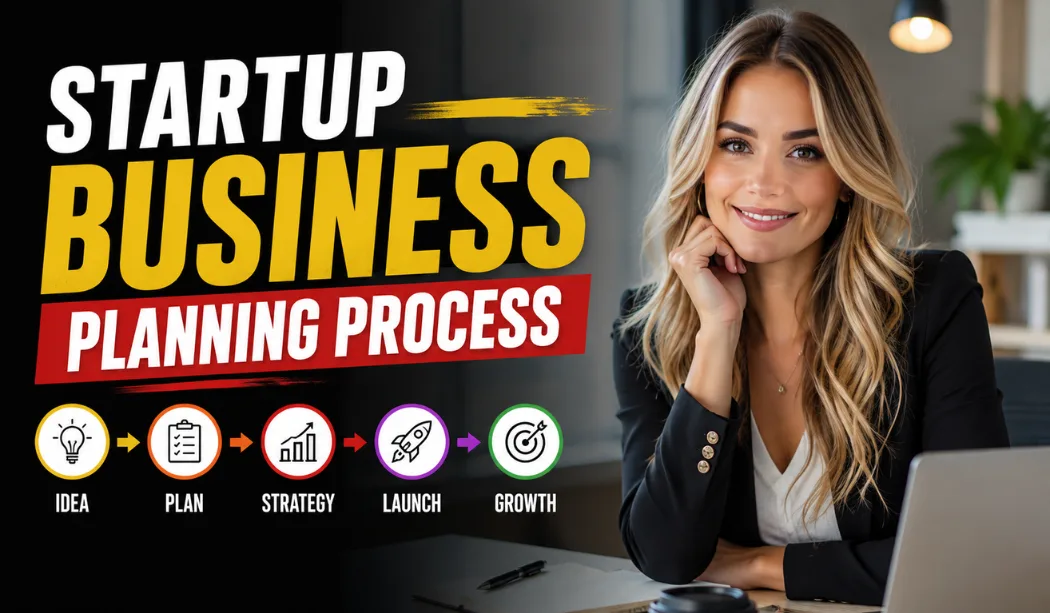
In order to ensure your launch is smooth and organised, make sure you adhere to these 10 battle-tested steps. This checklist makes sure there isn't one crucial element.
- Clarify the Vision Make a short single-sentence mission statement.
- Profiling the Audience: Nail down your precise demographics.
- Examine the Rivals: Complete a thorough competitor analysis.
- Map Revenue Select your primary pricing method.
- Design the Product: Create a Minimum Viable Product (MVP).
- Outline of Operations: Decide who does what every day.
- Write the Finances Find out your exact start-up cost.
- Review the risks: Find potential roadblocks before they occur.
- Establish Growth Milestones Determine what success will look to be in the next 6 months.
- Examine and adapt: Update your plan in response to feedback from actual clients.
Financials and Risk Management
Risk and money are two factors that destroy a new company most quickly. Making sure you are managing them effectively keeps your company alive.
Structuring Your Revenue Strategy
The initial revenue model process will determine the flow of cash. Are you planning to sell physical goods and subscriptions or use advertising? You require a picture of how the money moves into your account.
Building Your Cash Flow Projections
The initial financial planning involves figures. The runway must be calculated, or the amount of months the business will last before it needs a profit, or outside funding. Make sure your initial expenses are at a level that is as minimal as you can.
Managing Potential Threats
Every new business faces danger. Implementing a thorough procedure for assessing risk at the beginning of a new business helps you identify risks before they engulf your. Consider changing regulations of the government or sudden cash shortages or sudden drops in the market's demand.
Special Frameworks for Modern Startups
Different industries require different planning styles. Technology companies don't think the same way as an ordinary bakery plans.
The SaaS Planning Framework
The initial planning for startup SaaS firms is heavily based on the metrics of customer Acquisition Cost (CAC) as well as life-time value (LTV). Software firms must prepare to keep updating their code and server expenses right at the beginning.
Mapping Out Long-Term Scaling
After your business has stabilized then you can begin the development planning phase. The focus of this phase is on finding the best leadership team, growing into new geographical market, as well as automating the daily chores.
Strategy Tools: Making the Right Choice

How you write the strategy you have in mind is as crucial as deciding how to write the strategy. There are several amazing options in modern times.
Startup Business Plan vs Traditional Business Plan
The difference between a Startup business plan as opposed to a conventional business plans boils down to agility and speed. Traditional business plans typically are 40 pages in length and are extremely rigid. Startup plans are slim and visual. They also change quickly based on actual feedback from customers.
Startup Planning Software vs Business Plan Templates
If you are deciding between startups planning software and templates for business plans consider the goals you want to achieve. Templates can be great for easy Word documents. Tools for software are far more effective for keeping track of live financial charts and sharing information with your co-founders live in time.
Expert Insights on Strategic Planning
"The biggest mistake I see early founders make is planning in a dark room without talking to real customers. A plan is just a list of guesses until you test it against real-world human behavior."
-- Sarah Jenkins, Venture Capitalist & Startup Advisor
Frequently Asked Questions
How long should a modern startup plan be?
Make it brief! The modern startup strategy ought to be between one and five pages. The plan should be a dynamic document is updated every week, not an overloaded binder which sits on the shelf collecting dust.
Can I launch a startup without a formal plan?
Yes, it is possible to do so but it's highly dangerous. The planning process helps you identify important financial traps ahead of time before you are entangled in them. This saves time, effort, as well as thousands of dollars from avoidable errors.
When should I update my business roadmap?
It is recommended to review your plan each month, at minimum. If you notice that your clients behave different than you anticipated or if a brand new player enters your market, adjust your strategy quickly.